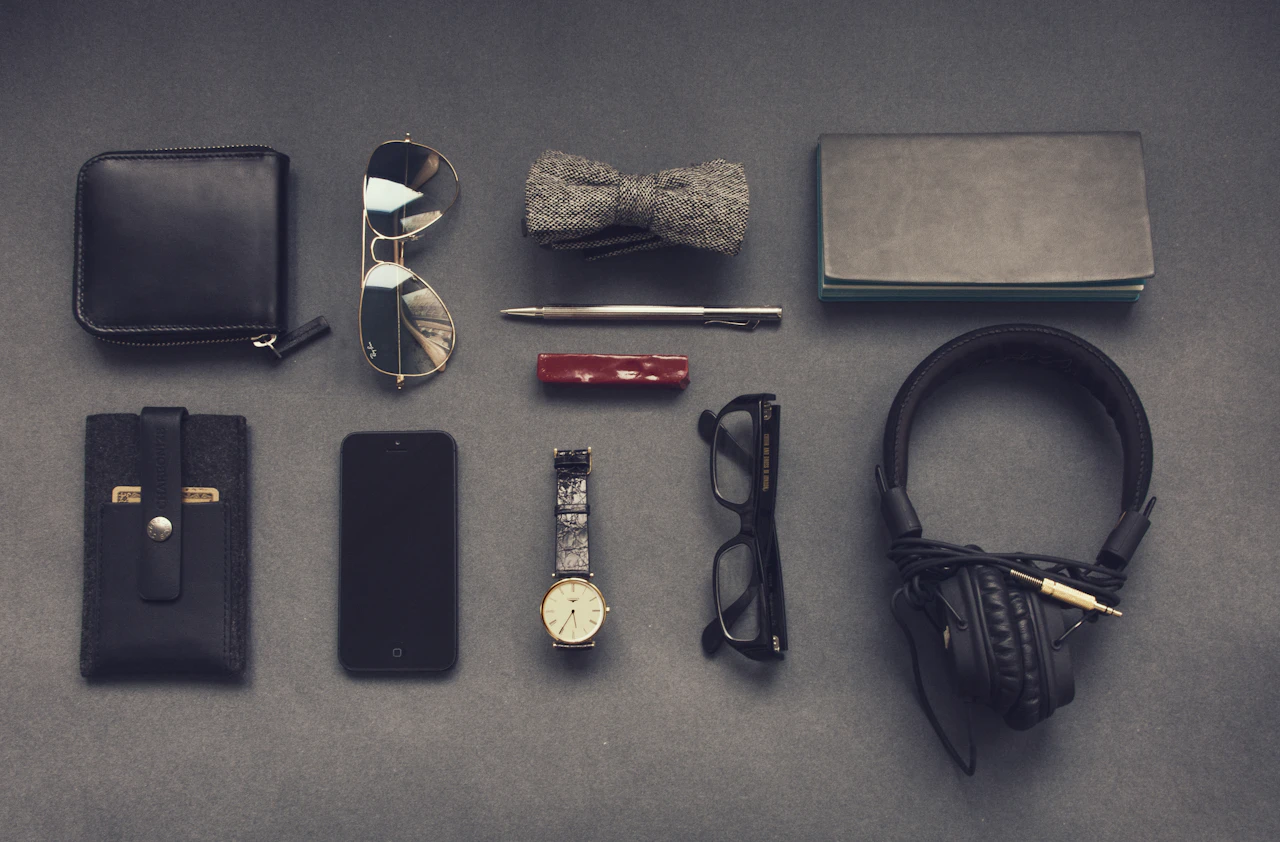
A strong summer wardrobe is rarely about adding more clothes. Most of the time, it comes down to choosing the right accessories: the pair of sandals that works with dresses and linen pants, the bag that holds more than it looks like it should, the sunglasses you actually keep wearing, and the cover-up or hat that makes hot weather feel easier. This summer accessories checklist is designed to be useful before a vacation, a seasonal closet refresh, or a last-minute outfit panic. Use it to build a practical rotation of summer accessories essentials that support real life, not just one photo-ready look.
Overview
If you want summer outfits to feel finished without becoming overstyled, focus on accessories that solve one of four problems: sun, heat, comfort, or coordination. The best summer accessories are not necessarily the trendiest pieces in your closet. They are the items you can wear repeatedly across beachwear, resort wear, everyday errands, weekend outings, and travel days.
A useful summer accessories checklist starts with categories, not impulse purchases. Think in terms of function first, then style:
- Footwear: sandals, slides, flat dress sandals, and one walkable pair for travel-heavy days
- Bags: a roomy beach bag, an everyday crossbody or shoulder bag, and an evening option if you dress up in summer
- Sun accessories: sunglasses, hats, and practical sun-protective layers
- Finishing pieces: jewelry, belts, scarves, hair accessories, and lightweight wraps
- Water-adjacent extras: swimsuit cover ups, waterproof pouches, and easy pieces for poolside transitions
The goal is not to own every type. It is to create a compact rotation that works with your real summer fashion habits. If most of your wardrobe is built around summer dresses, sandals and straw bags may do more work than statement jewelry. If you wear matching sets, linen trousers, and simple tanks, your warm weather accessories may need to add structure or polish. If you travel often, packability matters as much as appearance.
As you build your list, ask three simple questions:
- Will I wear this with at least three outfits I already own?
- Can it handle heat, movement, or sand without becoming annoying?
- Does it fill a gap I actually have, rather than duplicate something similar?
That filter helps reduce the common summer shopping problem: buying attractive accessories that look right online but do not fit your climate, routine, or packing habits.
Checklist by scenario
Use this section as your reusable summer accessories checklist. Instead of shopping category by category in isolation, match your accessories to the situations where you need them.
1. Everyday summer outfits
For daily wear, comfort and repeat use matter most. The ideal accessories here should work with hot weather outfits without feeling precious.
- One comfortable sandal: Choose a pair you can wear for more than a short outing. A simple leather or leather-look sandal, clean sporty sandal, or supportive slide often covers the most ground. If you need help narrowing options, our Summer Sandals Guide breaks down styles for walking, travel, and dressier outfits.
- An everyday bag: A medium-size tote, shoulder bag, or crossbody works well for errands, brunch, and casual summer outfits. Prioritize a secure closure if you move around a lot.
- Sunglasses you actually reach for: The best pair is the one that feels comfortable on your face and works with most necklines, hairstyles, and outfits. If face shape is part of the decision, see Best Sunglasses for Summer Outfits.
- A hat for real sun exposure: A woven hat, canvas bucket hat, or packable brimmed option is especially useful if you spend time outdoors rather than just commuting from car to building.
- Minimal jewelry: Lightweight hoops, studs, a slim necklace, or a simple bracelet often looks more natural in summer than heavy layered jewelry.
If your daily wardrobe includes linen separates, tanks, and easy button-downs, accessories should keep that lightness. For styling ideas with breathable staples, visit White Linen Pants Outfit Ideas for Summer.
2. Beach and pool days
Beachwear accessories need to be easy to carry, easy to rinse off, and easy to style over swimwear. This is where many people either underpack or bring beautiful items that are not practical near water.
- A large beach bag: Look for a shape that holds a towel, sunscreen, water bottle, cover-up, and small personal items without collapsing into chaos. Mesh, coated canvas, straw-look, and roomy fabric totes all have their place depending on how much structure you prefer. For a deeper comparison, read Best Beach Bags for Vacation.
- One reliable swimsuit cover-up: A shirt dress, sarong, airy kaftan, crochet style, or oversized button-down can take you from beach to lunch with minimal effort. If fit is the challenge, Best Cover-Ups for Different Body Types is a useful companion piece.
- Slip-on sandals: These should be easy to remove and easy to clean. Flat slides or waterproof sandals often make more sense than delicate leather pairs for beach days.
- Protective sun accessories: Sunglasses and a hat are not optional if you are in direct sun for hours.
- A small waterproof pouch: This helps protect your phone, cards, and keys inside a larger tote.
For beach vacation outfits, think about transitions. The most useful accessories are the ones that can go from lounger to café without a complete outfit change.
3. Resort wear and vacation outfits
Vacation accessories need to work harder because luggage space is limited. The best strategy is to choose a small set of summer style accessories that mix across multiple looks.
- One day sandal and one evening sandal: This may be all you need for a week away if both pairs coordinate with the color palette you packed.
- A versatile day bag: A woven tote, polished crossbody, or roomy shoulder bag can cover sightseeing, lunch, and shopping.
- A compact evening bag: If your vacation includes dinners, cruises, or events, a smaller bag prevents your daytime tote from feeling out of place.
- Simple jewelry with range: Pack pieces that work with swimsuits, summer dresses, and dinner outfits alike.
- A light wrap or scarf: Useful for breezy evenings, over-air-conditioned spaces, or adding modest coverage when needed.
For trip-specific styling, these related guides can help you build around your accessories rather than packing random extras: Cruise Outfit Ideas and Airport Outfits for Summer Travel.
4. Dressier summer occasions
Accessories for weddings, dinners, rooftop events, and warm-weather celebrations should complement the outfit without competing with it. In summer, lighter and cleaner often looks better than heavier and more ornate.
- Dress sandals: A neutral or metallic pair usually offers the most outfit flexibility.
- A structured small bag: This can elevate simple summer dresses or coordinated sets.
- Refined jewelry: Choose one focal point, such as earrings or a necklace, instead of stacking multiple statement items.
- A light evening layer: A thin wrap or polished cover-up can be helpful at beach weddings or dinner by the water.
If you are dressing for a specific event, such as a shore-side ceremony, see What to Wear to a Beach Wedding.
5. Summer travel capsule planning
When you want fewer pieces with more outfit mileage, accessories become the glue. This is especially useful if you are building a summer capsule wardrobe for travel.
- Choose one metal tone: Gold, silver, or mixed, but decide in advance so your jewelry feels cohesive.
- Repeat one bag family: Straw, canvas, leather, or nylon. Repetition helps outfits look intentional.
- Limit shoe categories: Walkable, beach-friendly, and dressy are usually enough.
- Pack accessories around your clothing palette: Neutrals, coastal tones, or bright tropical colors can all work, but avoid random accent pieces that only match one outfit.
If your travel wardrobe leans on matching sets, accessories can create variety without overpacking. See Matching Summer Sets for Women for outfit planning ideas.
What to double-check
Before you buy or pack anything from your summer accessories essentials list, pause and check the practical details. This step saves money, closet space, and vacation frustration.
Material and heat tolerance
Not every accessory handles summer equally well. Thick linings, stiff synthetic materials, and hardware-heavy designs can feel uncomfortable in heat. Look for breathable, lighter-feeling options when possible. If sun exposure is a priority, it may also be worth reviewing clothing and accessory strategy alongside our UPF Clothing Guide.
Comfort over a full day
An accessory that works for twenty minutes may fail on a real summer day. Test sandals for rubbing, bags for strap comfort, and sunglasses for pressure points. If you are traveling, imagine using the item during a long walk, not just a hotel mirror check.
Closure, security, and capacity
Beach bags that do not hold essentials, tiny evening bags that fit almost nothing, and open totes that let valuables shift around can all become irritating fast. Match the bag to the setting. Capacity should reflect what you truly carry.
Packability
Wide hats, rigid bags, and bulky sandals may be beautiful but inconvenient if you fly often. If you need summer outfit ideas for travel, choose accessories that compress, layer, or multitask.
Color coordination
The easiest way to make beach outfits and summer fashion feel polished is to repeat colors and textures. You do not need a perfect matching set, but your accessories should make sense together. Straw, tan, black, white, shell tones, and metallics are often easy anchors.
Maintenance
Some warm weather accessories look best when kept dry and clean, while others can handle salt, sunscreen, and sand. Be realistic about your routine. If you want low-maintenance beachwear styling, choose items that do not require delicate treatment.
Common mistakes
Even a well-intentioned accessories update can go wrong if everything is chosen for looks alone. These are the most common mistakes to avoid.
- Buying too many one-outfit pieces: A distinctive bag or shoe can be fun, but your core summer accessories checklist should be built around repeat use.
- Ignoring walkability: Summer often means more movement, not less. Sandals that only work while seated are less useful than they seem.
- Skipping sun protection because it feels less stylish: The right sunglasses, hat, or cover-up can still look polished. Practical does not have to mean bulky.
- Using the wrong bag for the setting: A beach tote for dinner or a tiny shoulder bag for a full day out creates unnecessary friction.
- Over-accessorizing lightweight outfits: Summer dresses, linen sets, and simple beach outfits usually need restraint. If the clothes are airy, the accessories should feel balanced.
- Forgetting about hair and humidity: Clips, scrunchies, headbands, or scarves are often more useful in summer than expected, especially for travel or windy beach locations.
- Not checking transparency and layering needs: A polished summer look sometimes depends on whether your accessories support the outfit's function, such as a belt for shape or a cover-up for quick transitions.
If you find yourself repeatedly buying accessories but still feeling like your outfits are unfinished, the problem is usually not a lack of options. It is a lack of system. A smaller, more deliberate rotation often works better than a larger scattered one.
When to revisit
This checklist works best when you return to it at specific moments rather than shopping reactively. Revisit your summer accessories essentials:
- Before the season starts: Check what still fits your lifestyle, what needs replacing, and what you actually wore last year.
- Before booking or packing a trip: Vacation outfits often reveal missing accessories more clearly than everyday dressing.
- When your routine changes: More walking, commuting, outdoor events, or beach time may change which accessories earn a place in your rotation.
- After a closet edit: If your clothing palette has shifted toward linen neutrals, coastal style outfits, or brighter resort wear, your accessories may need to shift too.
- When an item annoys you repeatedly: If a sandal rubs, a tote slips, or sunglasses slide down your nose, replace the problem rather than working around it all season.
For a practical reset, do this once each season: lay out your main summer outfits, including beachwear, day looks, and one dressier option. Then assign accessories to each outfit. If one item works across multiple looks, keep it high on your list. If something only works in theory, remove it from your active rotation.
A well-edited accessories wardrobe should make getting dressed faster, packing easier, and hot weather more manageable. That is the real purpose of the best summer accessories: not to add clutter, but to complete warm-weather outfits with comfort, function, and consistency.

