
Create a Home ‘Sanctuary’ to Showcase Your Summer Wardrobe
Turn one bedroom corner into a boutique-style summer wardrobe sanctuary with shelves, scent, and styled outfit displays.
Getting dressed for summer should feel a little like entering your favorite boutique: calm, bright, and full of pieces that make you want to plan a day out immediately. That’s the idea behind a home space-saving wardrobe display that turns one corner of your bedroom into a mini retail moment, inspired by the sanctuary feel of Molton Brown’s 1970s-led London store. Instead of shoving everything behind a closet door, you create a curated wardrobe display that makes dressing easier, faster, and far more enjoyable. When the setup is done well, it becomes part storage, part styling studio, and part fragrance corner.
This is not about making your bedroom look staged or impractical. It is about borrowing the best ideas from retail—visual merchandising, thoughtful lighting, scent, and edited product placement—and applying them to real life at home. If you also want your summer pieces to feel more wearable and less buried, think of this as your own home boutique, where every item has a purpose and a place. Along the way, we’ll cover closet ideas, easy decor hacks, and summer outfit styling strategies that make your routine feel like a ritual rather than a rush.
Why a Bedroom “Sanctuary” Works So Well for Summer Dressing
It reduces decision fatigue
Most people only wear a small percentage of their wardrobe on repeat during warm weather, which means the first step is not buying more—it is seeing what you already own. A display area helps you edit down to the strongest summer staples: breathable shirts, travel-friendly dresses, linen trousers, swim cover-ups, and accessories that complete the look. When these pieces are visible, you can compare outfits at a glance instead of digging through folded stacks or hangers.
This is especially useful for online shoppers who want confidence after purchase. If you’ve ever relied on simplifying the return process because something didn’t fit the way you expected, you already understand why a well-organized display matters. The more your wardrobe behaves like a curated shop floor, the easier it is to spot what works, what repeats too often, and what still needs a better fit or smarter pairing. In other words, your room becomes a live styling system.
It makes getting dressed feel intentional
There is a psychological shift that happens when you set the scene. A small shelf for sunglasses, a tray for fragrance, and a clean rail for pre-styled outfits can transform “What should I wear?” into “Which look do I want today?” That change matters because summer dressing is often about balancing comfort, sun protection, and style in a single outfit. A retail-inspired layout nudges you toward combinations that already work together.
Retail brands do this constantly because presentation changes behavior. A boutique display can make a plain T-shirt feel more desirable simply because it’s folded, lit, and paired with the right accessory. You can apply the same principle at home by creating a luxury-feeling setup with very basic materials. The goal is not extravagance; it is clarity.
It supports a more mindful summer routine
When your morning starts with a good scent, a tidy surface, and a visual choice already half-made, the whole day can feel calmer. This is where inspiration from a “sanctuary” store really lands: the atmosphere matters just as much as the product. A fragrance corner or a neatly arranged outfit rail can encourage a slower, more thoughtful start. That can be surprisingly helpful during busy vacation weeks or heat-heavy summer mornings when energy is low.
If you enjoy turning everyday routines into something more restorative, think of this like the home equivalent of a spa dressing room. The scent, order, and styling cues work together to create mood. For shoppers who prefer coordinated looks and easy outfit decisions, a layout like this also pairs well with coordinated fashion edits and other curated seasonal buys.
How to Build the Foundation: Furniture, Shelving, and Layout
Choose one corner and commit to it
You do not need a whole room to create a home boutique. In fact, the strongest setups often use a single corner of a bedroom, guest room, or dressing nook. Start by choosing a wall with enough light and enough clearance to stand back and view the layout. If possible, place it near a mirror so you can test outfits in one flow: choose, layer, view, and adjust.
Keep the footprint narrow if your room is small. A slim shelf, a compact rail, and one surface for accessories will usually be enough. If you need inspiration for tight spaces, a guide on small-apartment storage solutions can help you think vertically and avoid overcrowding. The most successful wardrobe display is the one that still feels easy to move around.
Use simple shelving like a boutique would
Retail displays often rely on a few core elements: open shelving, layered heights, and a balance between folded and hanging items. At home, use this same logic with affordable wall shelves, a narrow bookcase, or even a lightweight modular unit. Fold your most photogenic pieces—swimwear, sandals, linen tees, resort shirts—in stacks that look tidy and color-coordinated. Hang the items that wrinkle easily or need to be seen in full.
The point is visual merchandising at home, not just storage. You want the eye to travel from top to bottom without interruption. A shelf can hold baskets for smaller accessories, while a rail below shows off your most recent summer outfit styling ideas. If you like the concept of a display that feels professionally arranged, borrow from showroom-style merchandising by keeping spacing generous and the assortment edited.
Think about sight lines and daily flow
Your corner should function like a mini dressing studio, which means it needs a clear sequence. Place the pieces you use most often at eye level, secondary items above or below, and seasonal extras in baskets or closed storage nearby. If you wear sunglasses, hats, or a tote bag every day, those items should be visible and easy to grab. If you use a fragrance routine before getting dressed, keep that station within arm’s reach so it feels like part of the ritual.
Another useful mindset comes from planning and optimization. Just as marketers use mental models to organize a lasting strategy, you can use a simple “top-down” rule: decor up top, display in the middle, functional storage below. That keeps the setup pretty without sacrificing usability. It also helps prevent the corner from becoming a clutter trap.
Style the Display Like a Retail Buyer Curated It
Build a tight color story
One of the fastest ways to make a home boutique feel premium is to edit the color palette. For summer, choose airy neutrals, sun-washed blues, soft greens, coral accents, and sandy beige tones. If you love bolder colors, limit them to one or two focal pieces so the eye still gets a sense of calm. A cohesive palette makes every hanger, shelf stack, and accessory look more intentional.
This also helps with outfit planning. When pieces sit within the same palette, mixing becomes much easier, and you naturally create more combinations from fewer items. That is especially valuable if you like travel-ready packing or vacation wardrobes, where every item should work hard. For shoppers who want coordinated seasonal buys, this is where smart deal hunting meets thoughtful styling: buy fewer, better pieces that layer well.
Mix folded, hung, and grouped displays
Retail merchandising works because it varies the presentation. You should do the same at home. Hang a linen set, fold a pair of shorts, place sandals on a lower shelf, and stand a straw bag upright like a statement accessory. This prevents the eye from getting bored and helps your most useful summer pieces stand out. It also makes it easier to create complete looks rather than isolated items.
Try grouping by outfit or use case rather than by garment type alone. For example, create a beach-day cluster with a cover-up, swimsuit, sunhat, and SPF-friendly tote. Make another cluster for brunch with a dress, light cardigan, and flat sandals. This approach mirrors how thoughtful retailers build lifestyle moments, and it can be adapted to your own wardrobe display without buying anything new.
Use props, but keep them functional
Props should enhance the display, not turn it into clutter. A woven tray, a ceramic bowl, a mirrored jewelry dish, and a small vase of dried stems are enough to create atmosphere. Avoid adding too many decorative objects, because the clothes themselves should remain the hero. If you want a polished but practical finish, choose a few pieces that also serve a purpose, such as a catchall for rings or a box for travel-sized essentials.
Pro Tip: In visual merchandising, “less but better” usually wins. A single strong accessory on a shelf often makes a bigger style statement than five small items fighting for attention.
You can even think about arrangement the way a retailer thinks about customer flow and retention. Brands pay attention to what keeps people engaged, just as marketplaces learn from retention models to improve repeat visits. At home, the “repeat visit” is your daily dressing routine, so make it easy and appealing enough that you want to return to it each morning.
Build a Fragrance Corner That Anchors the Ritual
Choose scent as part of the experience
A summer sanctuary feels complete when it has a signature fragrance zone. This might be a diffuser with fresh citrus notes, a candle with marine or floral undertones, or a spritz of room fragrance placed near the mirror. The scent should be light enough to feel airy, not overpowering. Think of it as the invisible layer that makes the visual styling feel luxurious.
Molton Brown’s sanctuary-inspired retail concept works because scent and atmosphere are not afterthoughts—they are part of the brand story. You can translate that idea at home by using fragrance to signal the start of your dressing ritual. If you want your summer wardrobe display to feel like a boutique, the fragrance corner is what makes the space memorable. It is the difference between “organized” and “experience-led.”
Keep fragrance products edited and visible
Display only a small number of scents at once. One diffuser, one candle, and perhaps one eau de parfum or body mist is enough for a polished corner. Use a tray so the products feel grouped rather than scattered, and keep labels facing outward for a tidy retail finish. If you have multiple summer fragrances, rotate them by mood: fresh for daytime, floral for evenings, and clean aquatic scents for hot-weather weekends.
You can also connect fragrance to outfit use cases. A brighter scent might sit beside your beachwear, while a more refined floral could live next to dressier vacation pieces. This subtle pairing reinforces the sense that getting dressed is a ritual. It’s an easy decor hack with a surprisingly strong emotional payoff.
Match the mood to the season
Summer styling is about lightness, but it should still feel personal. If your taste skews minimal, keep the fragrance corner monochrome and calm. If you love color and nostalgia, layer a warm-toned tray with amber glass or vintage-inspired containers to echo the 1970s sanctuary vibe. Either way, the goal is to make the space feel soothing enough that you naturally slow down when you enter it.
For a more holistic home routine, you can take cues from other lifestyle categories that prioritize sensory comfort and practical use, such as eco-conscious fashion choices and mindful living setups. A fragrance corner does not have to be expensive to feel elevated. The real luxury is consistency: the same place, the same layout, the same calming cue each time you dress.
Summer Outfit Styling: Turn Displays Into Ready-to-Wear Looks
Pre-build three to five outfits
The smartest wardrobe display is one that helps you get dressed quickly. Choose three to five summer outfits you actually wear, then style them on hangers, hooks, or mannequins within your space. Include everything: top, bottom, shoes, bag, and accessories. This gives you a head start on busy mornings and reduces the likelihood of choosing random pieces that do not work together.
To make the system even more useful, organize by scenario. For example, create one look for beach days, one for dinner, one for sightseeing, one for travel days, and one for relaxed at-home weekends. If your summer calendar includes a lot of movement, this is where you can borrow ideas from smart trip planning: plan the look before the chaos begins. The result is less stress and fewer last-minute outfit changes.
Show the “complete” look, not just the clothes
A shirt on a hanger is informative, but a full styling vignette is persuasive. Add sunglasses, a hat, a tote, and sandals so you can see the entire outfit in context. This is exactly how retail displays encourage purchase behavior, and it works just as well at home when your goal is getting dressed faster. When you see the completed look, you are far more likely to wear it.
It also helps with packing for holidays. If the outfit display is already built at home, you can visually assess which items deserve suitcase space and which are redundant. Travelers who like efficient packing may appreciate advice from travel-planning resources and luggage strategy guides, because the same principle applies: build around function, then add style. That mindset keeps your summer wardrobe both fashionable and practical.
Use the display to identify gaps
When your outfits are assembled in one place, the missing pieces become obvious. Maybe you need a better sandal, a lightweight layer for evenings, or a bag that works with multiple looks. Rather than buying impulsively, you can shop with purpose. This is where a display becomes a styling tool and a budgeting tool at the same time.
For shoppers who want to spend wisely while building a better seasonal wardrobe, it can help to apply the same discipline used in budgeting for style. Ask yourself whether a new item will create multiple outfits, improve fit, or solve a real gap. If it does none of those things, it probably doesn’t deserve a place in your sanctuary.
Practical Closet Ideas That Keep the Space Beautiful and Useful
Rotate by season and occasion
Not every summer item needs to be on display at once. Store off-season layers, formalwear, and backup basics elsewhere so your visible selection feels edited. Rotation is one of the easiest closet ideas to maintain because it keeps the setup fresh without constant reorganization. It also allows you to showcase only what matters most right now.
This approach works especially well if your summer wardrobe includes a mix of resort pieces, city outfits, and casual staples. Keep one section for “in rotation,” one for “vacation-ready,” and one for “currently styled.” When your display changes with the season, it feels more like a boutique window and less like a laundry overflow zone. That small shift can dramatically improve how often you wear your best pieces.
Use bins, boxes, and trays strategically
Closed storage is still important, even in a display-focused setup. Use attractive boxes for socks, swim accessories, or travel essentials. Baskets can hide clutter while still fitting the room’s relaxed summer aesthetic. Trays are excellent for sunglasses, jewelry, hair accessories, and fragrance items that you reach for frequently.
If you are shopping with durability in mind, especially for warm-weather fabrics and accessories, think about quality first. Articles on travel experiences may not seem related, but they share a useful lesson: the best systems are the ones that keep the user experience smooth. In your wardrobe corner, “smooth” means nothing is hard to find, hard to grab, or hard to return to its place.
Make it easy to reset the space
The biggest reason beautiful home displays fall apart is that they are too hard to maintain. Build a reset routine into your week. Spend five minutes returning stray items to their homes, straightening stacks, and refreshing the fragrance corner. If you’ve got a few key systems in place, the whole sanctuary can be restored in minutes rather than hours.
Think of it like maintaining a well-run retail floor after a busy rush. The process should be simple enough that you can do it even on a hectic morning. For anyone who likes efficiency, this has the same appeal as a clean operations playbook: organized inputs create better outcomes with less effort. That’s exactly what you want from your summer wardrobe display.
Data-Driven Details: What Makes a Wardrobe Display Feel “Retail-Ready”
While most home styling advice is subjective, retail design follows a few practical principles that consistently improve the experience. These include clear visibility, balanced spacing, a limited palette, and product groupings that make decisions easier. You can apply the same principles at home without needing a large budget. The table below breaks down the most useful elements and how to translate them into a summer sanctuary.
| Retail-Inspired Element | Why It Works | Home Version | Best For |
|---|---|---|---|
| Open shelving | Makes product visible and browsable | Wall shelf or slim bookcase | Folded tees, swimwear, bags |
| Layered heights | Creates visual interest and hierarchy | Use trays, risers, and stacked boxes | Accessories and fragrance items |
| Edited color palette | Feels calm and premium | Stick to 3-5 coordinating tones | All summer wardrobe displays |
| Outfit grouping | Improves conversion and decision-making | Hang complete looks together | Travel, beach, brunch, evening |
| Scent zoning | Deepens brand memory and mood | Diffuser or candle near dressing area | Fragrance corner |
| Clear spacing | Makes items look more valuable | Leave breathing room between pieces | Smaller bedrooms |
The most important thing to remember is that the space should feel curated, not crowded. If you see too much at once, you lose the boutique effect. If you see too little, the display becomes decorative but not useful. The sweet spot is a balance between inspiration and function, which is why the best retail-inspired home setups feel both calming and alive.
Pro Tip: If you want your display to feel more luxurious instantly, reduce the number of visible items by 20-30%. Fewer pieces with more space between them always looks more intentional.
Easy Decor Hacks That Make a Big Difference
Upgrade your lighting
Good lighting can transform a basic corner into a true home boutique. Natural light is ideal during the day, but in the evening you may want a soft lamp with warm bulbs to keep the area inviting. Avoid harsh overhead lighting if you want the sanctuary effect, because it tends to flatten colors and make the space feel utilitarian. A small lamp or wall light is often enough to create atmosphere.
Lighting also matters for outfit selection. You want to see accurate color, texture, and fit before you leave the room. If your summer wardrobe includes lightweight knits, linen, or satin finishes, proper lighting helps reveal how those fabrics really look. That makes styling decisions more confident and reduces those “it looked different online” moments.
Choose one signature decorative material
A boutique-like room often feels cohesive because it repeats a material or texture. Woven rattan, pale wood, brushed brass, smoked glass, or ceramic can all create that continuity. Pick one main material and let it appear in the shelf, tray, mirror frame, or basket details. The repetition creates a quiet visual rhythm that feels carefully designed.
This is where easy decor hacks become powerful. You do not need to buy a lot of decor, just a few well-chosen pieces that repeat the same language. If you already own some travel or resort-inspired accessories, use those as part of the setup. The result will feel personalized rather than generic.
Keep the floor and background clean
A beautiful wardrobe display loses its impact if the background is messy. Keep the wall uncluttered, hide cables, and avoid piling shoes on the floor around the display. Clean background space allows your summer outfits and fragrance corner to stand out. It also makes the area easier to photograph if you like sharing outfit inspiration or tracking your seasonal edits.
Small visual improvements create a surprisingly strong effect. A straight hanger line, matching storage bins, and one mirror can do more than a long list of decorative objects. This is the practical side of visual merchandising at home: the setting should support the product, not compete with it.
How to Shop Smarter for the Pieces You Actually Need
Buy for compatibility, not novelty
Once your sanctuary is set up, it becomes easier to see what deserves a place in your life. Buy items that work with at least three existing pieces, not just the newest trend. That rule keeps your wardrobe display functional and prevents impulse purchases from taking over the corner. Compatibility is the secret to a stylish summer wardrobe that still feels easy.
When you’re shopping online, pay attention to fabrics, fit notes, and return policies. If you’re uncertain about a piece, it helps to know the retailer supports an easy exchange process. That way, you can choose thoughtfully without feeling trapped if the fit is off. For seasonal shoppers, this is often the difference between a smart purchase and a forgotten one.
Prioritize breathable, easy-care fabrics
Summer wardrobes work best when the fabrics match real life. Linen, cotton, seersucker, quick-dry blends, and lightweight viscose are usually more comfortable in heat than heavy synthetics. If you travel often, look for pieces that resist wrinkling or recover quickly after packing. That keeps the display useful because the items stay wearable, not just aspirational.
It is also worth considering sun protection and airflow. Many shoppers want clothing that looks refined but still feels appropriate for warm weather. That balance mirrors the goals of a good sanctuary: comfort, calm, and elegance. If you can find that overlap in one piece, it earns a spot in the wardrobe display immediately.
Keep a “maybe” zone for undecided pieces
Not every item needs to be permanently displayed. Create a small “maybe” box for pieces you are still testing, such as new sandals, a trendy bag, or a top you are unsure how to style. Review the box after a week or two, and either integrate the item into a full outfit or remove it from the rotation. This keeps the visible display purposeful and prevents indecision from taking over the room.
That approach is especially helpful for shoppers navigating return windows or trying to refine fit after an online order. If you want to compare how product choices affect your shopping confidence, resources like returns guidance can help you think through the process more strategically. The goal is to own fewer items that work harder and feel better every time you wear them.
FAQ: Creating a Summer Wardrobe Sanctuary at Home
How big does the space need to be?
It can be surprisingly small. A single wall section, a bedroom corner, or even the area beside a mirror is enough if you keep the setup edited. Focus on a few visible items and use vertical storage so the space feels intentional rather than crowded.
What should I display first?
Start with the pieces you wear most often: a favorite dress, a linen set, sandals, sunglasses, and a bag. Add fragrance last, because it works best when the visual layout is already settled. Once the basics are in place, you can build outfit combinations around them.
How do I keep the display from looking messy?
Edit ruthlessly, leave space between items, and use trays or baskets for small objects. Try to avoid mixing too many colors or decorative styles. A neat background and a limited palette will do more for the boutique effect than adding more decor.
What is the best fragrance style for a summer corner?
Fresh citrus, soft florals, clean musk, and marine notes work well because they feel airy and season-appropriate. Choose one main scent profile and keep it light so the space remains relaxing. If you prefer warmth, use amber accents sparingly so the room still feels summer-friendly.
How often should I refresh the display?
Weekly touch-ups are usually enough, with bigger rotations at the start of each season. Replace worn-looking items, swap in new favorites, and remove anything that no longer fits your style. A small reset routine keeps the sanctuary feeling current without becoming a chore.
Can this work in a shared bedroom or rental?
Yes. Use freestanding shelving, removable hooks, and portable trays rather than permanent fixtures. The key is creating a defined zone, not renovating the room. Even in a rental, a thoughtful display can make dressing feel more peaceful and more personal.
Final Take: Make Summer Dressing Feel Like a Ritual
The best home sanctuary is the one that makes your life simpler while also making it more beautiful. A corner bedroom wardrobe display inspired by Molton Brown’s sanctuary-style store can do exactly that: it turns practical storage into a calm, curated experience. With simple shelving, a considered fragrance corner, and a few well-styled summer outfits, your room starts working like a boutique that knows your taste. That means less rummaging, less guesswork, and more confidence every time you get dressed.
If you want to keep refining the space, continue exploring ideas around compact storage, atmosphere-led bedroom styling, and easy-care seasonal fashion. The real win is not just a prettier corner—it is a wardrobe system that saves time, reduces decision fatigue, and makes summer dressing feel like a daily ritual worth looking forward to.
Related Reading
- AI and Returns: Navigating Friction and Simplifying the Process for Online Shoppers - Helpful if you want to shop summer pieces with more confidence.
- How to Book Hotels Directly Without Missing Out on OTA Savings - A smart guide for travelers building a vacation-ready wardrobe.
- Exploring the Best Space-Saving Solutions for Small Apartments - Useful for creating a boutique corner in a tight room.
- Budgeting for Style: How to Balance Fashion and Finances While Creating Content - Great for shopping strategically without overspending.
- The Sustainable Athlete: Eco-Friendly Fashion Choices for Active Living - Perfect for breathable, practical summer wardrobe planning.
Related Topics
Maya Ellison
Senior Fashion Content Editor
Senior editor and content strategist. Writing about technology, design, and the future of digital media. Follow along for deep dives into the industry's moving parts.
Up Next
More stories handpicked for you

Resort Wear Redefined: The New Luxury Summer Styles for 2024

The Ultimate Outdoor Essentials Guide: Summer 2024 Edition
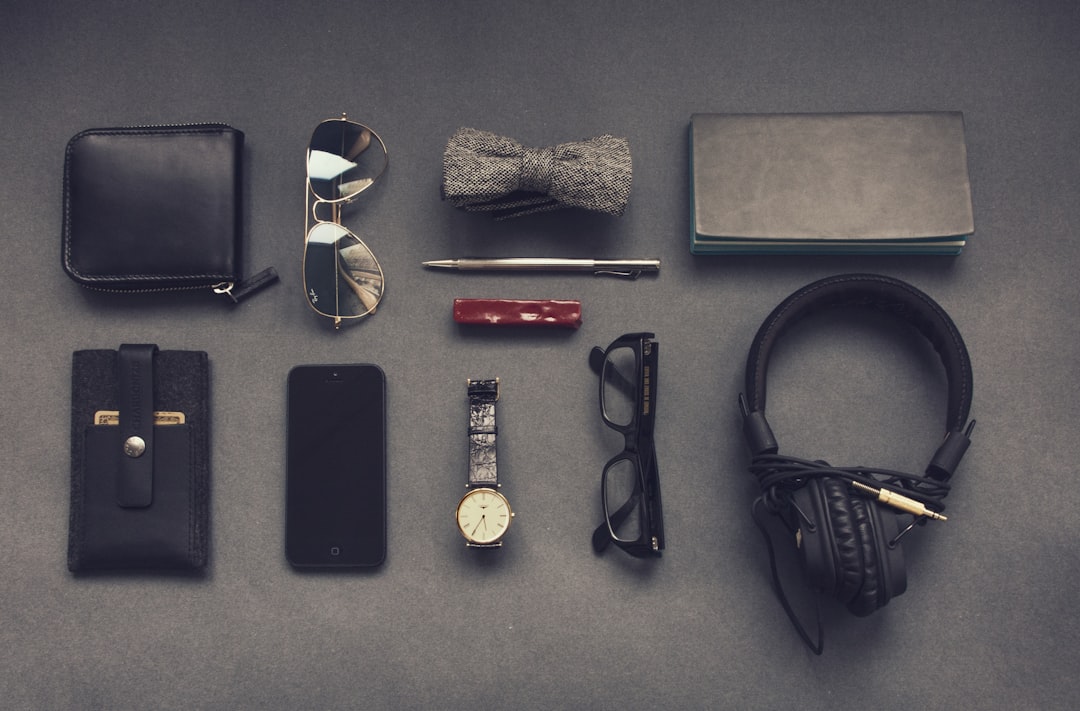
Make a Splash: Stylish Sunglasses Trends for Summer 2024

Save Big on Summer Essentials: Budget-Friendly Finds for 2024

Summer Swimwear: Meet the New Wave of Quick-Dry Fabrics
From Our Network
Trending stories across our publication group

How to Create a 1970s Fragrance Sanctuary at Home (and Style Jewelry to Match)

The Mystery of Celebrity Wardrobes: Lessons from Jill Scott's Style Journey

From Boutique to Big Brand: The Hidden Operations Behind Luxury Fashion Houses

Creator-First Capsules: Building a Wearable Collection the Emma Grede Way

Scent as Styling: How Fragrance-Led Retail Teaches You to Build Cohesive Outfits
